

Imagine returning from a weekend away to find your home flooded because a fragile gray pipe finally reached its breaking point. For many residents in Broward County, this isn’t just a bad dream; it is a reality for homes built between 1978 and 1995. Because these systems are now at least 31 years old, polybutylene pipe replacement Florida is no longer a matter of “if” but “when.” You shouldn’t have to live in fear of a sudden burst or a mold outbreak every time you turn on the tap.
It’s understandable to feel overwhelmed when insurance companies threaten to drop your coverage or demand a four-point inspection. You want to protect your property value and your peace of mind without the mess of a long, drawn out construction project. This guide will help you understand why these pipes fail and how a methodical repiping process restores your insurance eligibility. We will explore the advantages of modern materials like PEX and explain how professional intervention prevents water damage before it starts. By the end, you’ll know exactly how to secure your home against the unique plumbing challenges we face in the Florida climate.
Key Takeaways
- Understand how chlorine in municipal water causes gray polybutylene pipes to become brittle and fail from the inside out.
- Learn why polybutylene pipe replacement Florida is now essential for passing 4-point inspections and maintaining your homeowners insurance coverage.
- Discover how a methodical, “no-shortcuts” repiping process protects your belongings and minimizes the need for extensive drywall repairs.
- Identify the critical importance of a combined plumbing and restoration approach to catch hidden mold growth before it spreads.
- Find out the exact steps to take when scheduling a professional inspection to safeguard your home’s resale value in Broward County.
What is Polybutylene Piping and Why is it a Risk?
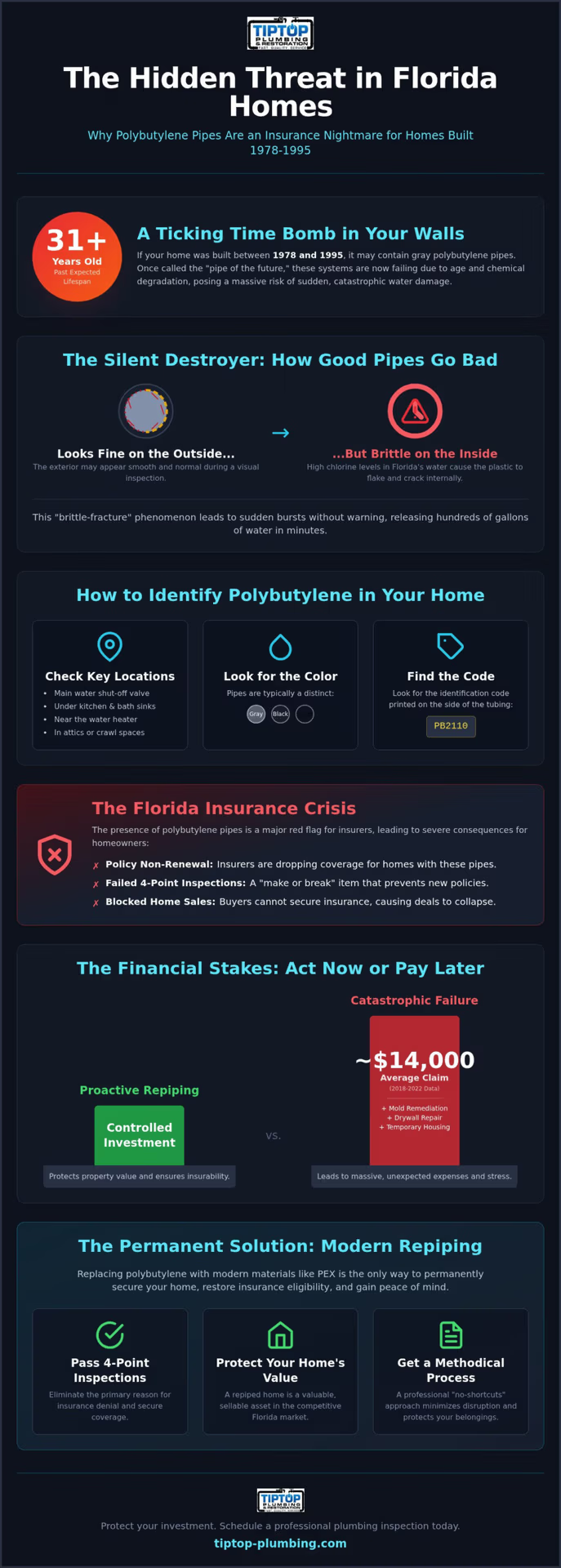
Polybutylene is a flexible, gray plastic resin once hailed as the “pipe of the future” for residential plumbing. Between 1978 and 1995, it was installed in millions of homes across the Sun Belt, particularly in Florida. If you want to understand the technical history, you can read more about What is Polybutylene Piping? on Wikipedia. While it was cheap and easy to install, we now know it represents a significant liability. These pipes are a ticking time bomb because they fail without warning, often at the joints or hidden behind walls where you can’t see the damage starting.
The core issue isn’t the pipe’s strength under pressure; it’s a chemical sensitivity. Chlorine and other disinfectants used in municipal water supplies react with the plastic, causing it to flake and become brittle from the inside out. A standard visual inspection is often misleading. The exterior of the pipe may look smooth and flexible, but the interior structure is likely crumbling. By the time a homeowner notices a drop in pressure or a damp spot on the ceiling, the system has already reached a point of catastrophic failure. This is why proactive polybutylene pipe replacement Florida is the only permanent solution for long-term property protection.
How to Identify Polybutylene in Your Florida Home
Identifying these pipes is the first step toward securing your home. Most polybutylene is a distinct gray color, though some variations appear black or silver. You can often find it by checking these locations:
- The main water shut-off valve where the line enters the house.
- Underneath kitchen and bathroom sinks near the supply lines.
- Inside the water heater closet or attic spaces.
- Look for the printed code “PB2110” on the side of the tubing.
If you suspect your home has these pipes but aren’t sure, a professional leak detection in Broward County can help confirm the material type and current condition of your system. Knowing exactly what is behind your walls allows you to make an informed decision before an emergency occurs.
The Failure Mechanism: Why Florida Water is Especially Harsh
South Florida municipal water treatment requires high chlorine levels to ensure safety over long distances. These high concentrations accelerate the degradation of polybutylene. The material undergoes a “brittle-fracture” phenomenon, where the pipe loses its natural elasticity and develops micro-cracks. These cracks eventually connect, leading to sudden bursts that can release hundreds of gallons of water in minutes. This is why homeowners often prioritize polybutylene pipe replacement Florida before a leak turns into a restoration project. Polybutylene is a discontinued material that lacks the chemical resistance required for modern water treatment standards.
The Florida Insurance Crisis: Why Your Pipes Matter Now
The Florida insurance market is currently undergoing a period of intense scrutiny, and older plumbing systems are at the center of the storm. Many private carriers are now issuing non-renewal notices to homeowners whose properties contain gray plastic piping. Under Florida Statute 627.4133, insurers must provide 120 days of notice before non-renewing a policy, but that time moves quickly when you’re facing a total loss of coverage. For many residents, polybutylene pipe replacement Florida has shifted from a home improvement project to a legal and financial necessity. Citizens Property Insurance Corporation, the state’s insurer of last resort, will not issue new policies for homes with these pipes, leaving few options for those who delay repairs.
The 4-Point Inspection is the primary tool underwriters use to assess risk in Broward County. If an inspector identifies polybutylene, most carriers will flatly refuse to write a new policy. This creates a massive hurdle during home sales. Sellers find themselves stuck with a property that buyers cannot insure, while buyers are forced to walk away from otherwise perfect homes. When you consider that water damage claims averaged nearly $14,000 between 2018 and 2022, the financial logic is clear. The cost of a catastrophic burst pipe, including mold remediation and temporary housing, far outweighs the investment in a proactive repipe.
Navigating the 4-Point Inspection with Tip Top Plumbing & Restoration
In communities like Weston and Davie, plumbing is a “make or break” category for insurance inspectors. They look specifically for the telltale gray tubing at the water heater or under the sinks. If “Polybutylene” is checked on your report, your options for coverage can disappear overnight. Tip Top Plumbing & Restoration specializes in providing the comprehensive documentation and “no-shortcuts” installation proof that insurance underwriters require to clear these flags. You can schedule a professional evaluation to see if your system meets current standards and secure the paperwork needed for your renewal.
Liability and Property Value: The Long-Term Impact
South Florida homebuyers have become increasingly savvy regarding “gray pipe” homes. A house with outdated plumbing is often viewed as a liability rather than an asset. This stigma affects your market appraisal and can lead to lower offers or lengthy repair credits at the closing table. Investing in a whole-house repipe is one of the most effective ways to protect your structural integrity. It transforms a hidden weakness into a documented selling point. By replacing these lines, you aren’t just fixing pipes; you’re ensuring your home remains an insurable, high-value asset in a competitive market.
The Polybutylene Pipe Replacement Process: What to Expect
A whole-house repipe is a significant undertaking, but a disciplined, methodical approach makes the project manageable for your family. We begin by protecting every inch of your living space. Our team utilizes heavy-duty drop cloths and precision plastic shielding to isolate floors and furniture, ensuring that construction dust remains contained. Once the area is secure, we move to strategic access. Instead of removing large sections of drywall, we make small, calculated openings to reach the plumbing manifold and distribution lines. This precision reduces the impact on your home’s structure and speeds up the final restoration phase.
Choosing Your Material: PEX vs. Copper
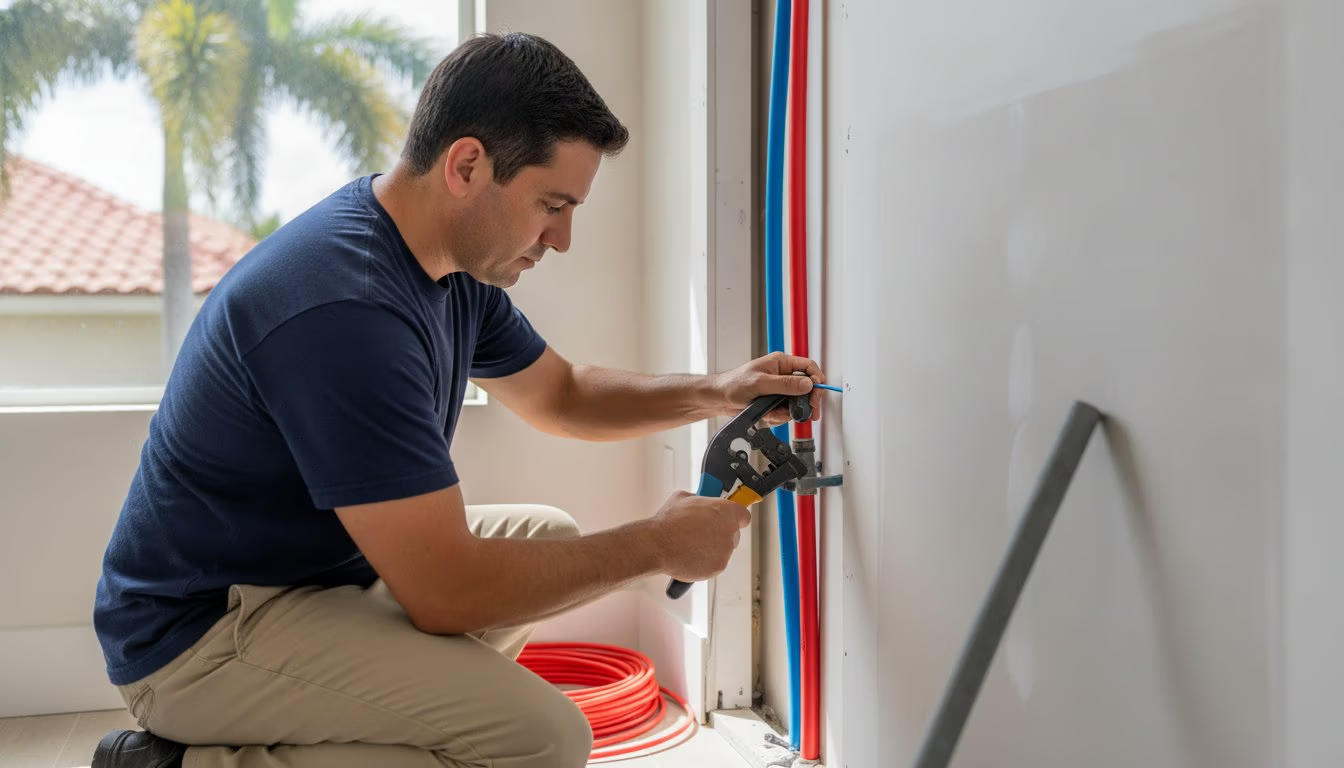
For most homeowners, PEX (cross-linked polyethylene) is the gold standard for polybutylene pipe replacement Florida. It’s flexible, which means it can be fished through walls with fewer joints and connections than rigid materials. This flexibility also makes it naturally resistant to the scale buildup and corrosion that often plagues metal pipes in South Florida’s unique water environment. While copper remains an option for those who prefer traditional materials, it’s far less common today due to its higher material cost and labor-intensive installation. You can find more details in our guide to Repiping Services in Broward County to help you decide which material fits your property best.
Minimal Disruption: Can You Stay in Your Home?
You don’t have to move out during the process. We use a dual-speed workflow to ensure your daily life continues with minimal interruption. We typically run the new lines alongside the old ones before making the final switch. This means your water is only shut off for a few hours at a time, usually during the workday when it’s least disruptive. A professional repipe is a surgical process designed to restore flow while preserving your home’s aesthetics.
The project concludes with a multi-point testing phase and official permitting. Every installation we perform must meet the rigorous standards of the Florida Building Code, including the updated requirements for the 9th Edition. We pressurize the entire system to verify the integrity of every connection before the municipal inspector arrives. This documentation is your shield. It proves to your insurance carrier that the liability is gone and gives you the legal peace of mind that your home is secure. Choosing a specialist for your polybutylene pipe replacement Florida ensures that the transition from old plastic to modern PEX is seamless and fully documented.
Why a Combined Plumbing and Restoration Approach is Essential
Most homeowners view a repipe as a purely mechanical fix. However, because polybutylene degrades from the inside out, it often creates pinhole leaks that go unnoticed for months. These slow drips saturate insulation and drywall long before a major burst occurs. A standard plumber might replace the line and patch the wall, but they often lack the equipment to identify the microbial growth thriving in the damp, dark cavities behind your baseboards. This is why a dual-certified team is essential for your property’s long-term health.
Tip Top Plumbing & Restoration bridges this gap by addressing the plumbing failure and the environmental impact simultaneously. We provide specialized leak detection services in Broward County to pinpoint moisture before the first cut is made. By combining plumbing expertise with restoration standards, we ensure that your polybutylene pipe replacement Florida doesn’t just swap out the lines but also eliminates the secondary damage that compromises your air quality. We take a “no-shortcuts” approach to ensure your home is both dry and safe.
Addressing Water Damage and Mold During a Repipe
Florida’s high humidity creates a perfect environment for mold to colonize within 24 to 48 hours of a leak. When we open walls for a repipe, we treat it as a forensic opportunity to inspect the home’s internal structure. Our team conducts certified mold testing and provides professional water damage restoration in Fort Lauderdale to dry out the structure properly. This preventative step stops wood rot in its tracks and ensures that your newly repiped home remains a healthy environment for your family.
24/7 Emergency Response for Burst Polybutylene Pipes
You don’t always have the luxury of planning a repipe. If a pipe fails in the middle of the night, you need an emergency plumber in Weston, FL who can handle the immediate crisis and the subsequent cleanup. We follow a strict triage approach designed to minimize your loss. First, we stop the water flow and extract standing water to prevent further saturation. Once the area is stable, we use industrial dehumidifiers to dry the space before moving into the planning phase for a full polybutylene pipe replacement Florida. This integrated response prevents a single plumbing failure from turning into a total property loss.
Taking Action: Your Next Steps for a Safer Home
Taking the first step toward a whole-house repipe is often the hardest part of the process, but the relief that follows is immediate. Once the polybutylene pipe replacement Florida is complete, you no longer have to worry about a surprise flood or a denied insurance claim. Your home becomes a secure asset again. To get started, you should schedule a professional plumbing inspection in Miramar or Pembroke Pines. During this visit, our team evaluates your current system and provides a detailed roadmap for the transition to modern materials.
We approach every consultation with the precision of a seasoned fixer. When you prepare for your estimate, try to have your latest 4-point inspection report or insurance renewal notice handy. Our technicians will need to verify the number of bathrooms, the location of your water heater, and the main shut-off valve to provide an accurate, transparent quote. This isn’t just about pipes; it’s about restoring the structural integrity of your property. By acting now, you ensure your home remains insurable and valuable for years to come.
Scheduling Your Broward County Repiping Consultation
Local knowledge is vital when it comes to permitting and building codes. Whether you’re in Plantation or Sunrise, every municipality has specific requirements for plumbing inspections. We handle the paperwork and coordination to ensure your new system is fully legal and documented. You can learn more about our commitment to the neighborhood on our About Us page, where we detail our history as a stabilizing force for Broward County homeowners. Our Reliable Local Authority assessment is designed to be thorough, identifying potential failure points before they become emergency repairs.
Final Checklist for Florida Homeowners
Before you commit to a service provider, use this checklist to verify your needs. It’s better to be methodical now than to deal with a crisis later. Following these steps will help you secure a precision-led solution for your polybutylene pipe replacement Florida:
- Verify the age of your home: If your property was built between 1978 and 1995, it likely contains polybutylene.
- Review your insurance policy: Check your latest renewal notice for specific plumbing exclusions or premium increases related to outdated materials.
- Identify visible pipes: Look under your sinks or at the water heater for gray, flexible tubing.
- Contact Tip Top Plumbing & Restoration: Reach out for a comprehensive evaluation that addresses both the plumbing and the restoration of your home’s interior.
Don’t wait for a catastrophic burst to force your hand. A proactive repipe is an investment in your peace of mind, protecting your belongings and your family from the stress of water damage and mold.
Secure Your Property and Your Peace of Mind
Maintaining a home in Broward County requires a proactive approach to hidden hazards. We’ve explored how gray polybutylene pipes degrade silently, eventually leading to insurance non-renewals and catastrophic water damage. By choosing a comprehensive polybutylene pipe replacement Florida, you eliminate the risk of brittle-fracture failures and ensure your property remains a high-value, insurable asset. It’s a “no-shortcuts” investment in your home’s longevity that protects your family from the stress of unexpected floods.
Tip Top Plumbing & Restoration is uniquely qualified as a specialist in whole-house repiping and restoration. We don’t just swap out your lines; we provide certified mold testing and water remediation to address any moisture issues found behind your walls. Our team is ready to provide a steady, professional hand to guide you through this transition with precision. You deserve a home that’s built on reliable infrastructure and modern plumbing standards.
Take control of your home’s future before a plumbing emergency dictates the terms. We’re standing by with 24/7 emergency plumbing response and a neighborly commitment to keeping our community safe. Let’s get to work on securing your property today.
Frequently Asked Questions
How much does polybutylene pipe replacement cost in Florida?
Costs for polybutylene pipe replacement Florida depend on several factors, including the square footage of your home and the number of plumbing fixtures. A larger home in Plantation with multiple bathrooms requires more material and labor than a smaller property. The complexity of the drywall restoration also influences the final investment. We provide transparent assessments that account for both the plumbing work and the necessary restoration to return your home to its original condition.
Is polybutylene pipe still legal in Florida?
Polybutylene is no longer an approved material under the Florida Building Code. While you won’t be fined for having it in an older home, it’s illegal to use it for any new installations or major repairs. Most municipal inspectors in cities like Davie will require a full upgrade to modern materials if they discover the gray piping during a renovation. It’s effectively been phased out due to its high failure rate and unreliability.
Can I replace just a section of polybutylene pipe?
Replacing just a section of pipe is rarely a viable solution. Insurance companies in Miramar and Pembroke Pines typically require a full replacement before they’ll issue or renew a policy. Since the chemical degradation happens throughout the entire system, fixing one leak doesn’t stop the next one from happening elsewhere. A whole-house repipe is the only way to ensure the long term safety and insurability of your property while preventing future emergencies.
Will my Florida homeowners insurance cover a repipe?
Most Florida homeowners insurance policies don’t cover the cost of a preventative repipe. They view the replacement of old materials as standard home maintenance. However, if a pipe bursts, they may cover the water remediation and dry out services. Proactively scheduling a polybutylene pipe replacement Florida is often the only way to avoid a non-renewal notice or a significant spike in your annual premiums during your next renewal cycle in Weston or Davie.
How long does a whole-house repipe take?
A professional repipe usually takes three to five days to complete from start to finish. The first stage involves running the new PEX or copper lines, which typically happens while your water is still on. Once the new system is ready, we perform the final switch-over, which only requires a few hours of downtime. The final days are dedicated to precision drywall patching and ensuring the work area is clean and fully restored to your satisfaction.
What happens if I don’t replace my polybutylene pipes?
Ignoring these pipes leads to inevitable property damage. Over time, the internal structure of the plastic becomes so brittle that a burst is certain. This often results in extensive mold growth and structural rot, especially in the high-humidity environment of South Florida. You also risk losing your insurance coverage, as many carriers now use 4-point inspections to identify and exclude homes with active polybutylene plumbing systems from their coverage lists.
Does a repipe require permits in Broward County?
Yes, permits are mandatory for any whole-house plumbing project in Broward County. Cities like Sunrise and Southwest Ranches require these permits to ensure the installation complies with the latest safety standards. A permitted job provides you with an official record of the upgrade. This documentation is essential when you’re trying to prove to an insurance underwriter or a potential homebuyer that the polybutylene risk has been fully mitigated by a licensed professional.
What is the best material to replace polybutylene with?
PEX is the preferred material for most Florida repiping projects. It’s highly flexible, which allows our team to install it with fewer joints behind your walls, reducing the potential for future leaks. PEX is also resistant to the high chlorine levels found in local municipal water. While copper is a durable, traditional option, its higher cost and rigid nature make it less common for full residential upgrades in today’s plumbing market.
Disclaimer
The information provided in this article is for general educational and informational purposes only and should not be considered professional plumbing, restoration, mold remediation, or legal advice. Every plumbing system, property, and situation is unique, and the recommendations discussed may not apply to your specific circumstances.
While Tip Top Plumbing & Restoration strives to provide accurate and up-to-date information, we make no warranties regarding the completeness, accuracy, or reliability of the content. Any actions you take based on this information are at your own risk.
Plumbing repairs, water damage restoration, and mold remediation should be performed by qualified professionals and in accordance with applicable local building codes and regulations. If you are experiencing a plumbing emergency, water leak, or property damage, contact a licensed professional for an on-site evaluation.
Tip Top Plumbing & Restoration is licensed and insured to provide plumbing and restoration services throughout Broward County, Florida.