01 / A practical approach
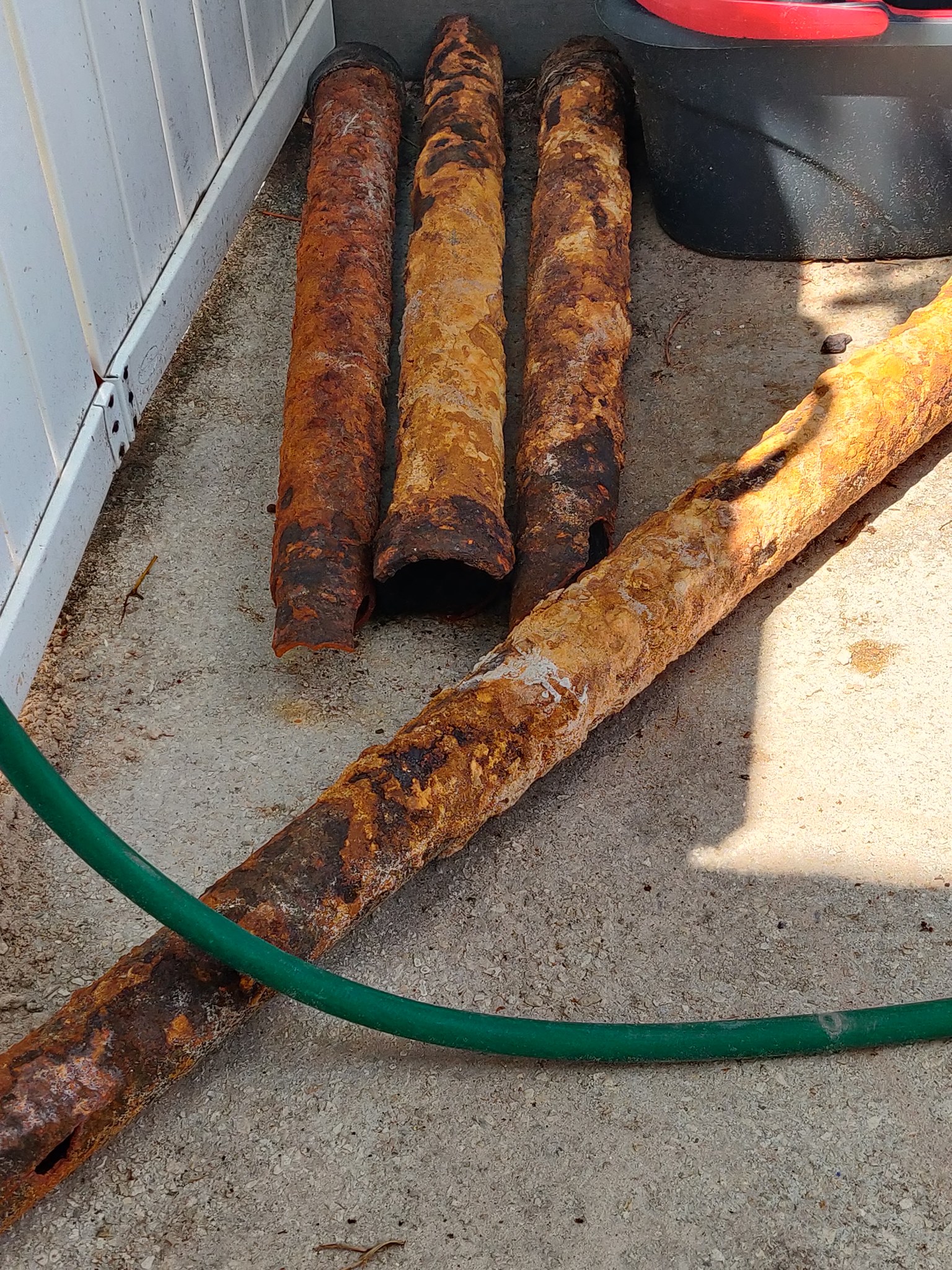
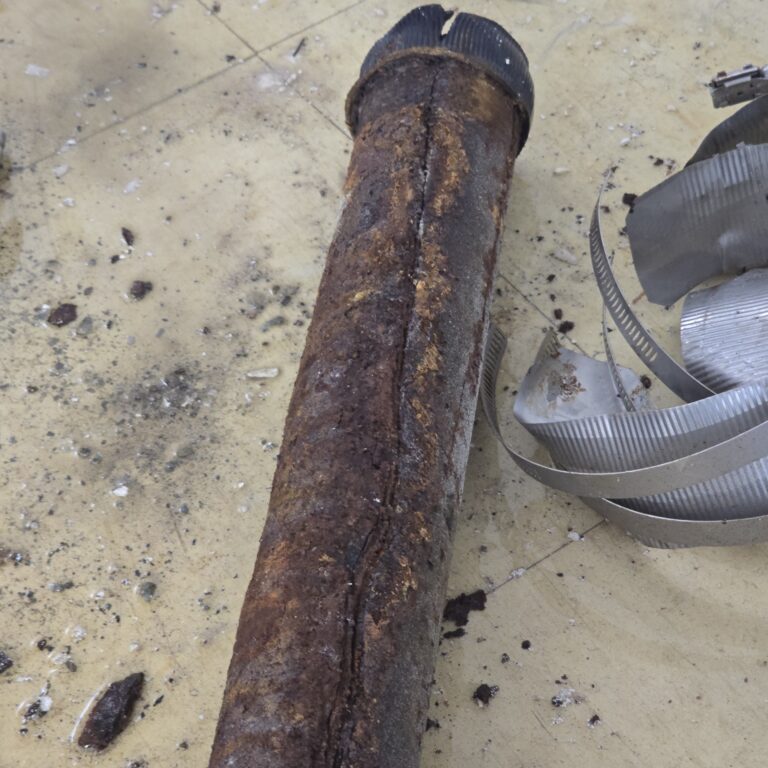
Signs that may warrant cast iron sewer replacement
Repeated blockages, visible leakage and ongoing sewer problems can justify investigation. Those symptoms alone do not establish that all cast iron piping has failed.
Share the repair history, known pipe materials and which parts of the property are affected.
02 / A practical approach
Assess the system before cast iron sewer replacement
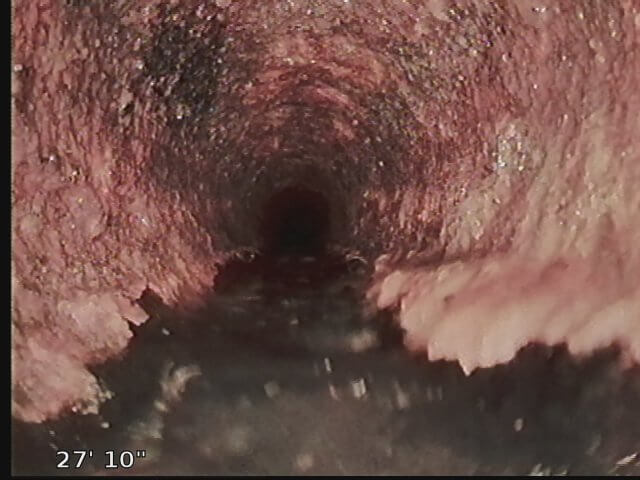
Inspection helps identify the affected sections, access constraints and the practical options for the property. Camera findings can be useful where the line is accessible and sufficiently clear.
Ask which sections have been assessed and whether further access is needed before the full scope can be confirmed.
03 / A practical approach
Coordinate access, replacement and finishes
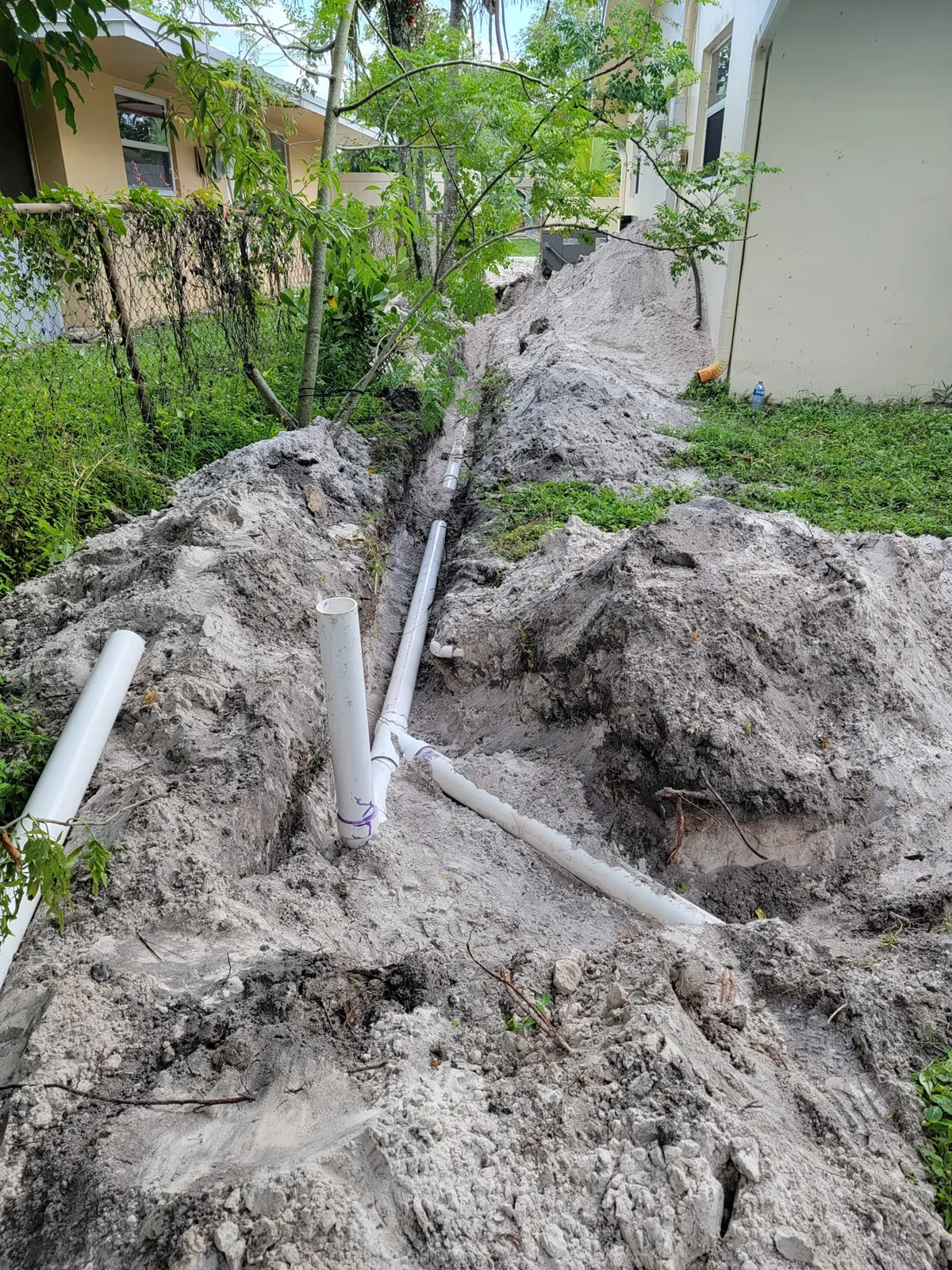
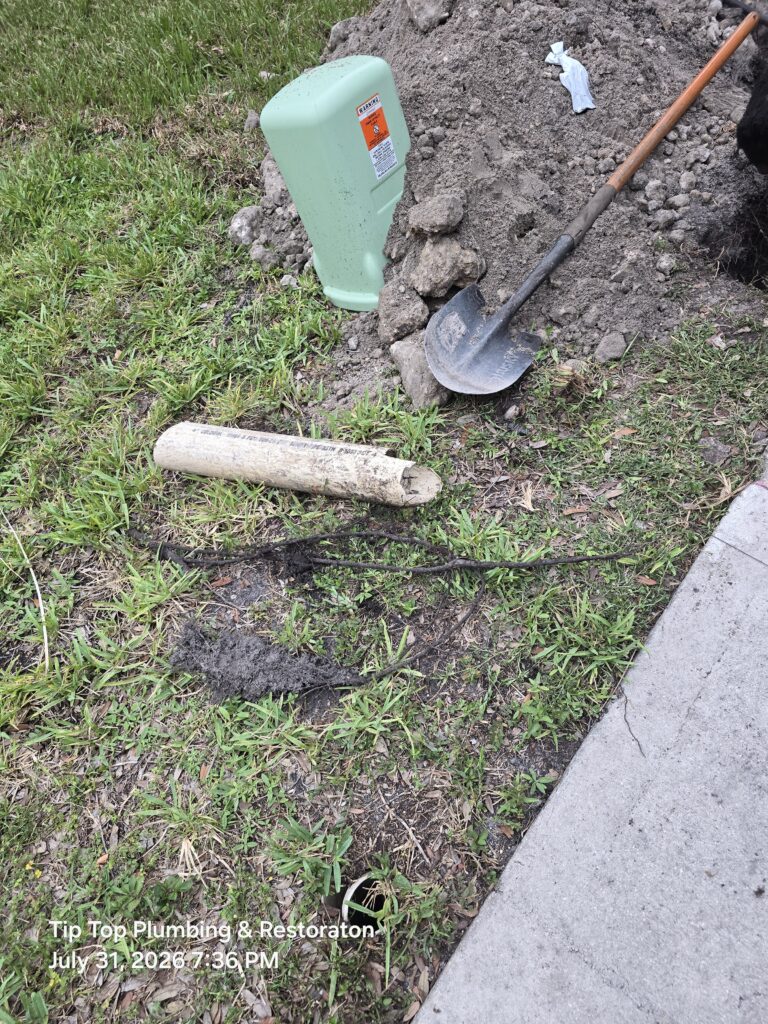
Replacement planning should identify the pipe runs, connections, access openings and any excavation or interior work. Discuss how daily use will be managed during the project.
A useful proposal also addresses permitting where required, cleanup and who restores affected surfaces.
04 / A practical approach
Keep the project focused on the evidence
Localized issues and wider deterioration can call for different scopes. We discuss the findings and the work proposed rather than treating the material name as a diagnosis.
Related drain cleaning, sewer inspection and water damage work should each have a clear purpose and scope.