01 / A practical approach
Signs you may need leak detection
Tell the team when the problem started, where moisture appears and whether symptoms change when fixtures or appliances are used. Previous repairs and accessible photographs can help explain the situation. Avoid assuming that a damp area identifies the original source.
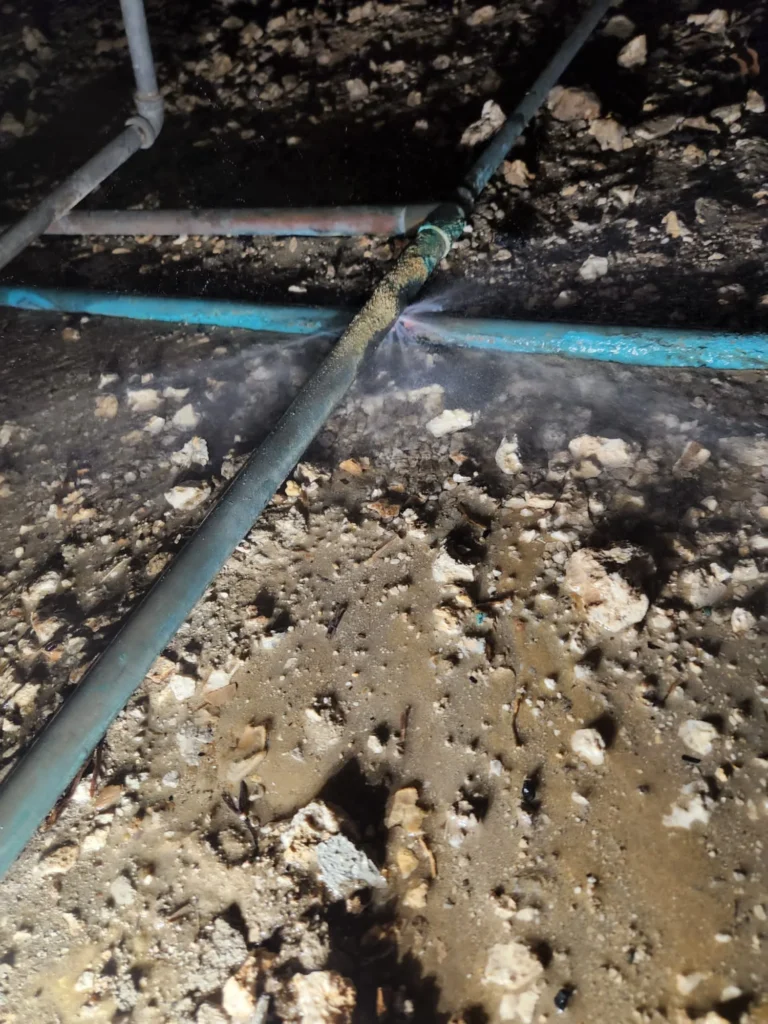
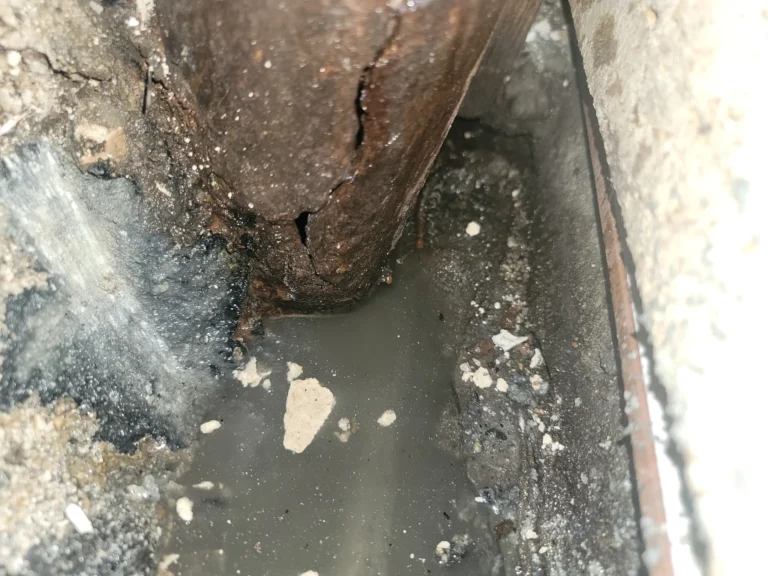
A plumbing leak investigation should distinguish observations from conclusions. The location where water becomes visible may differ from the location that needs repair.
02 / A practical approach
Choose leak detection methods for the property
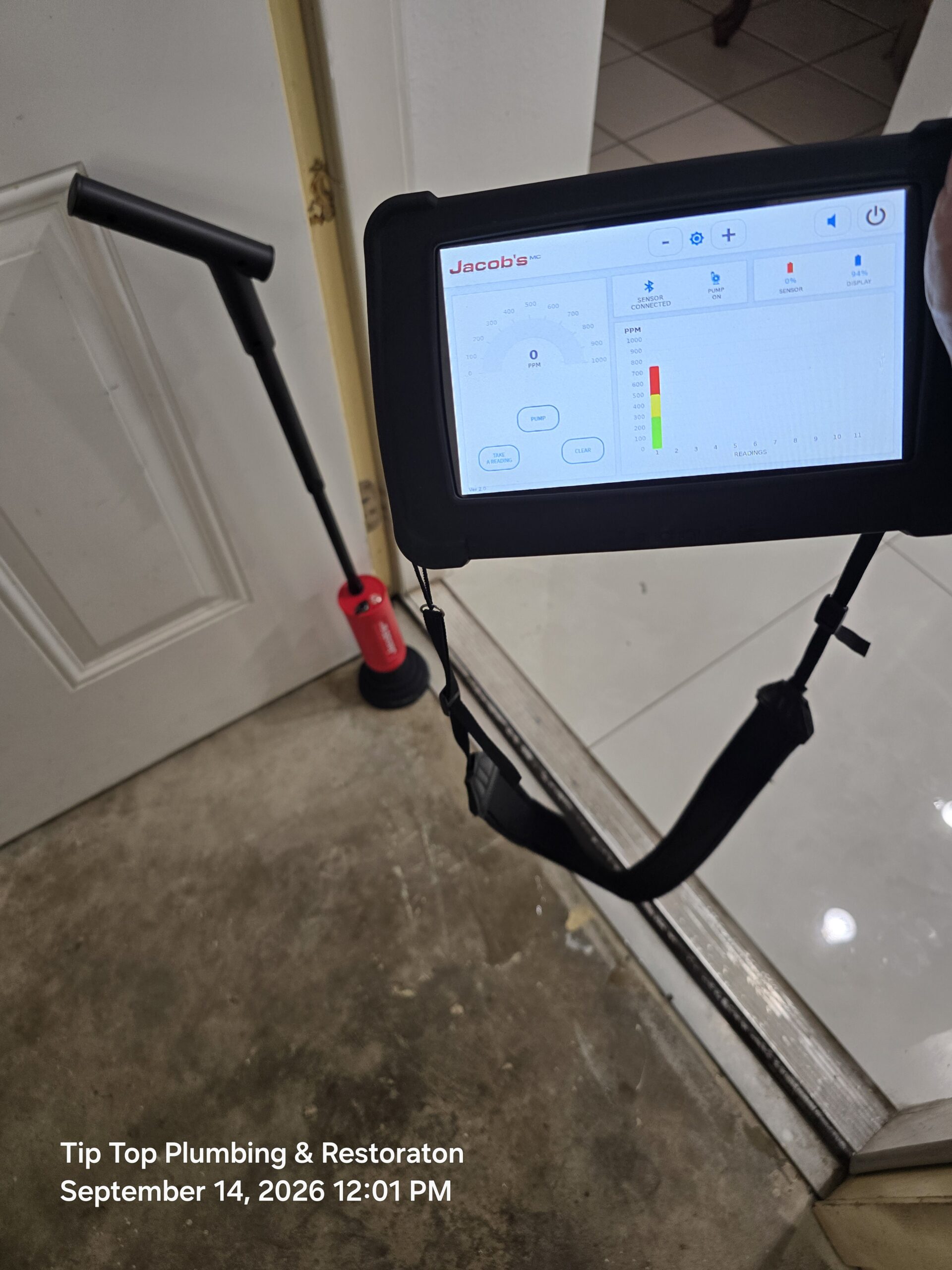
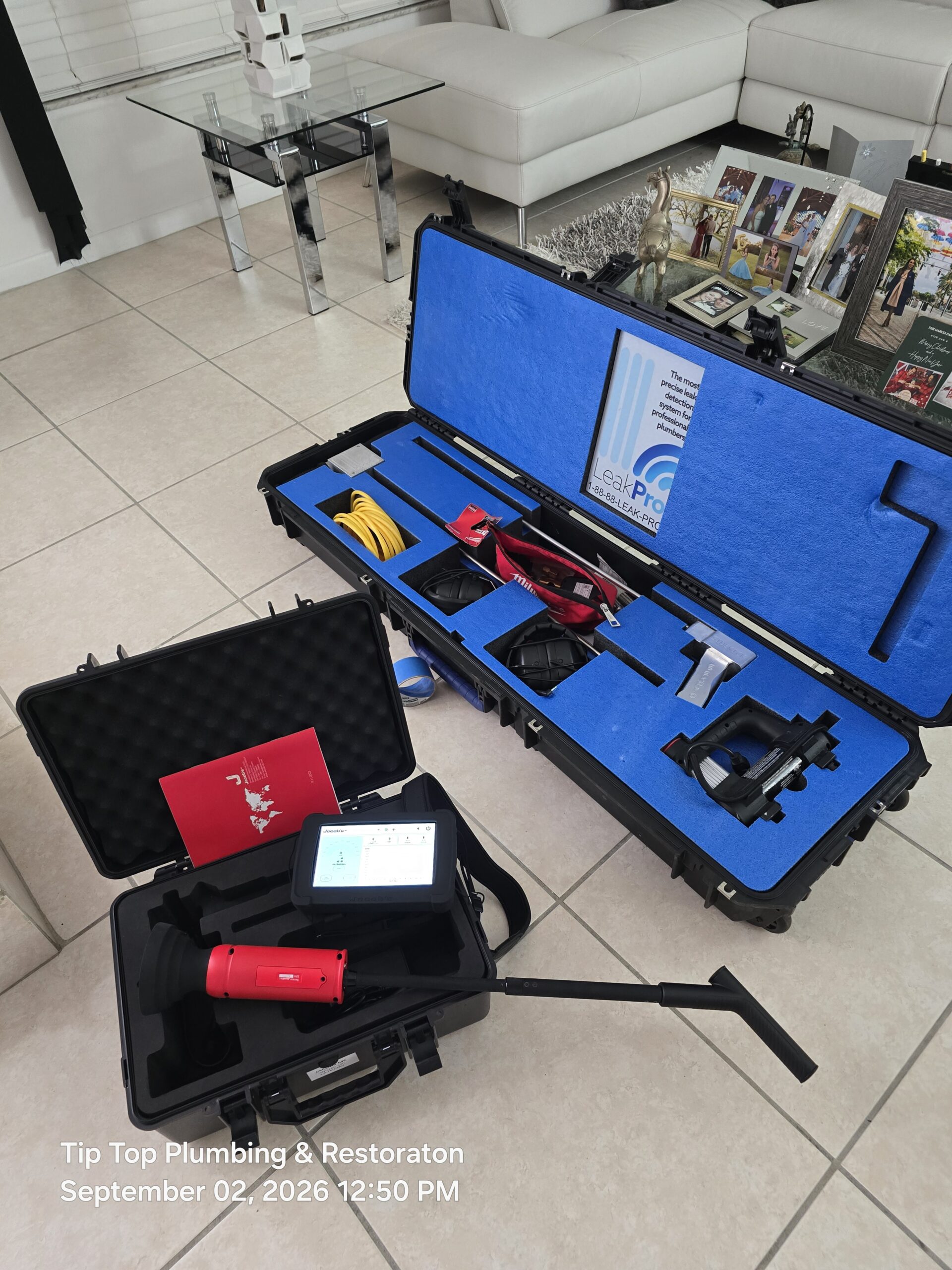
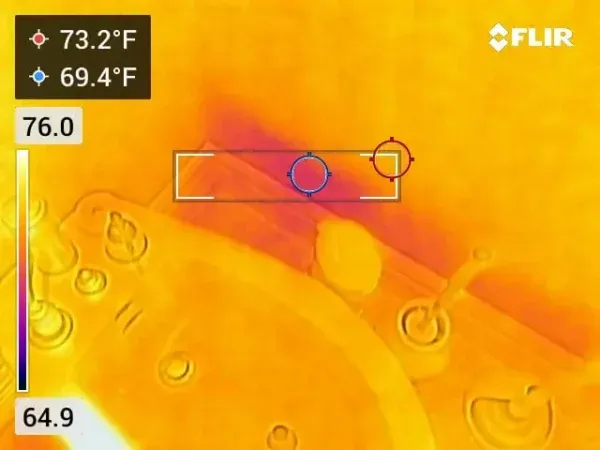
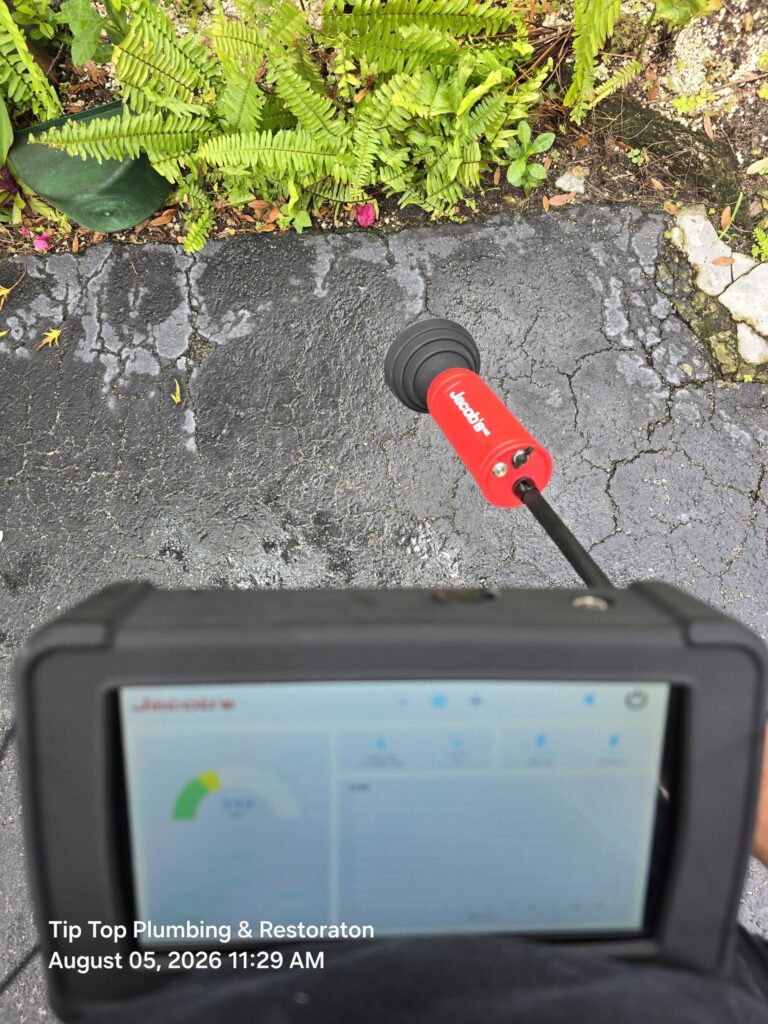
We use professional, specialized leak detection equipment and proven diagnostic methods to help locate hidden water leaks in walls, floors, underground piping, and other difficult-to-access areas. Our goal is to identify the source of the problem while minimizing unnecessary damage to your property.
The investigation is selected for the suspected problem and available access. We explain the findings and discuss the next step for confirmation or repair.
03 / A practical approach
Understand findings and repair options
After the investigation, discuss the likely source, any limits on access and the next step for confirmation or repair. Some problems may be isolated; repeated water-line failures may justify a broader piping assessment.
Detection, opening surfaces, repairing plumbing and restoring finishes can be separate parts of a project. Confirm which work is included and how further findings will be communicated.
04 / A practical approach
Address water-affected areas separately
Stopping a plumbing source does not automatically resolve moisture in surrounding materials. Tip Top has in-house drying equipment and can discuss affected areas and available restoration work.
Tell us which rooms or materials appear affected so the plumbing and drying work can be considered together, with clear responsibilities for each part of the project.