01 / A practical approach
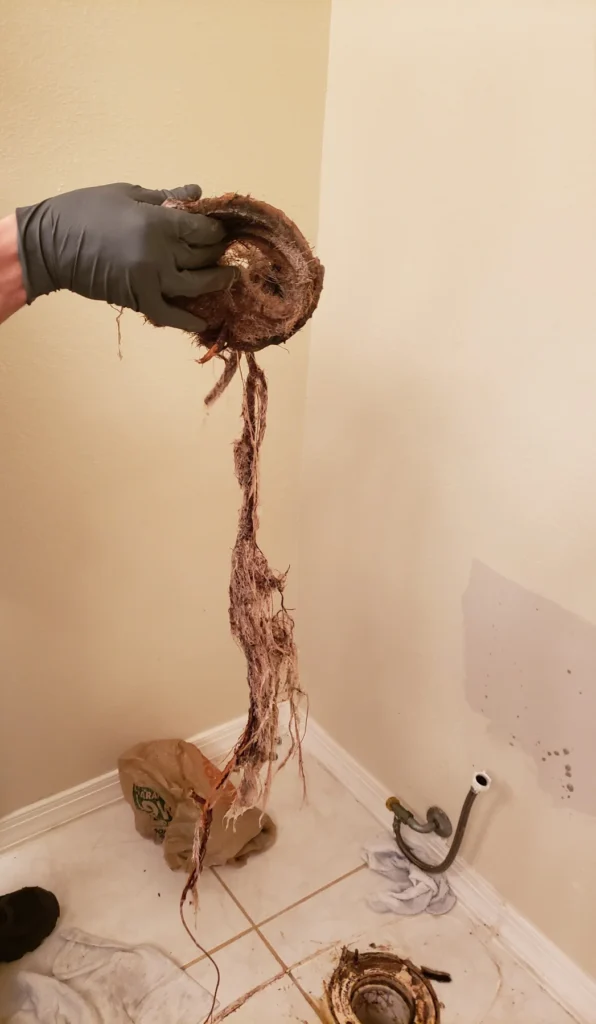
When drain cleaning needs a closer look
Identify whether the problem affects one fixture or several, whether it returns after cleaning and whether other fixtures change when water is used. That information helps frame the conversation about access and the next diagnostic step.
The visible symptom does not establish the cause or the condition of the pipe. Avoid treating every recurring clog as a simple buildup problem.
02 / A practical approach
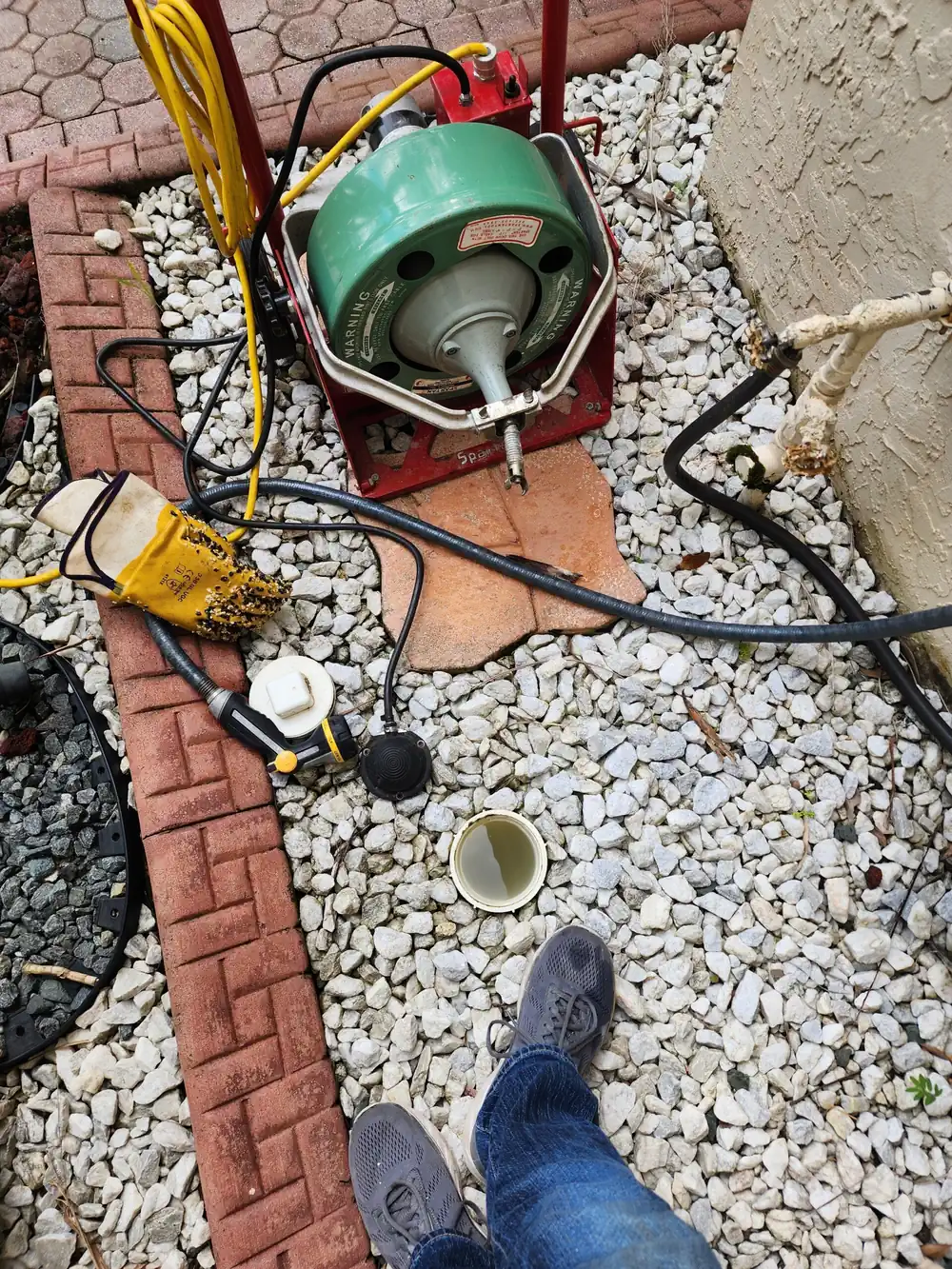
Choose a suitable drain cleaning method
Cleaning should be selected for the affected line, available access and what is known about the obstruction. Tip Top offers drain service and professional hydro jetting, but those are not interchangeable solutions for every line.
Ask how the proposed method relates to the findings and whether further investigation is needed. A cleaning visit does not guarantee correction of a damaged or otherwise unsuitable pipe.
03 / A practical approach
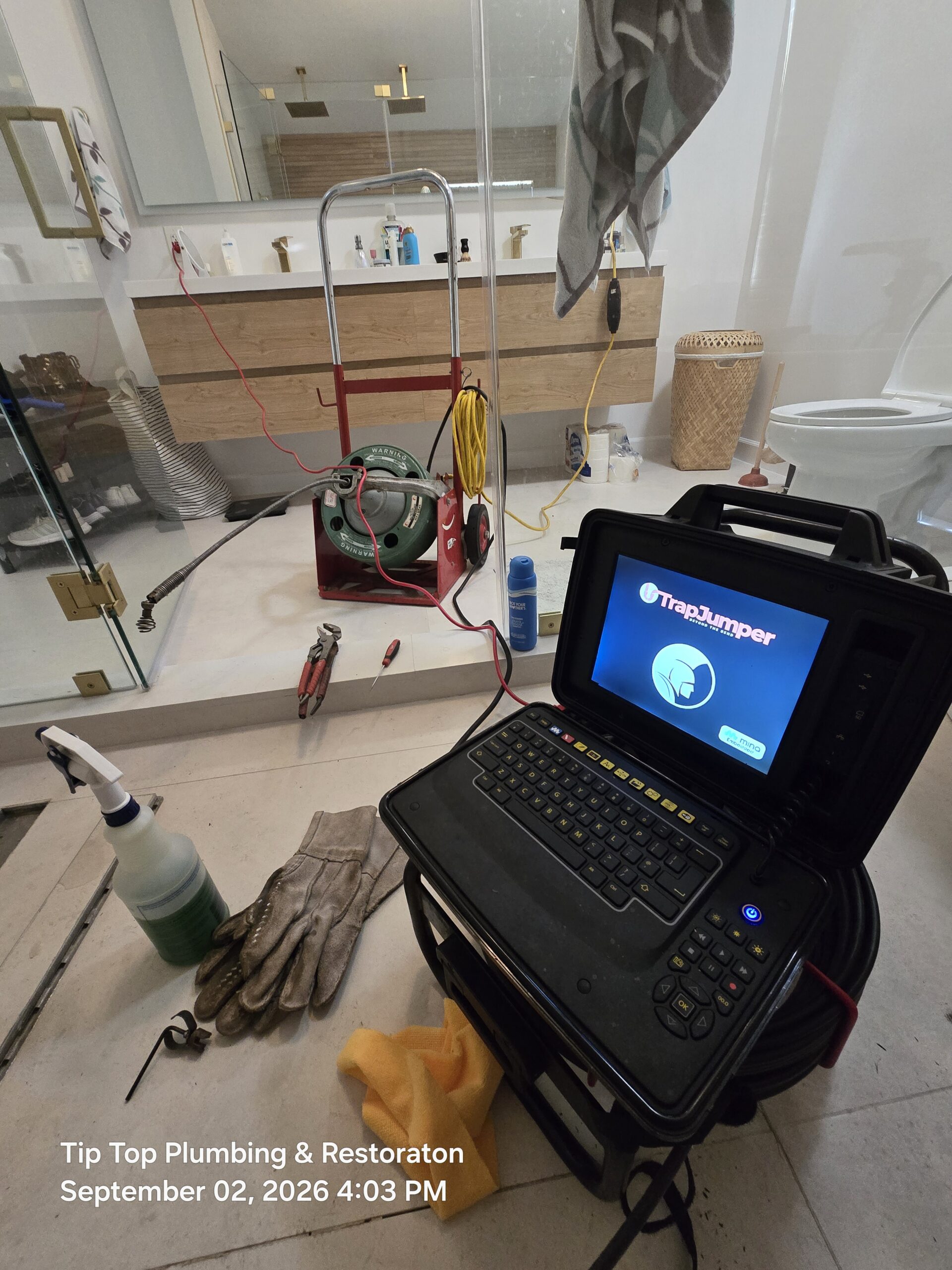
Give recurring problems a clear next step
If the same issue keeps returning, discuss what the pattern may require beyond another clearing. The next step should be based on the line and the findings rather than an assumption that more force is always better.
If repair or replacement becomes part of the discussion, clarify how that differs from the original cleaning scope and how the proposed work will be documented.
04 / A practical approach
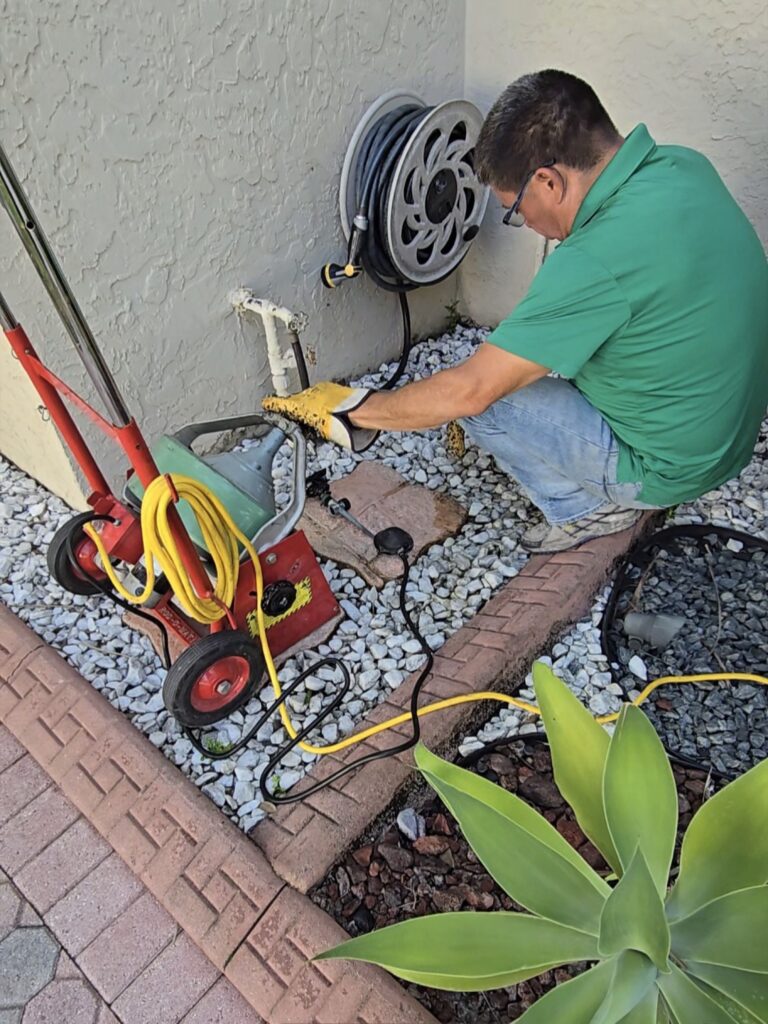
Keep the service conversation practical
Share the property type, the affected fixtures and useful access information. Describe any prior work so the team can plan the visit and discuss the appropriate options.
For a property with an association or shared drainage, clarify access and coordination with the responsible party before arranging work.