01 / A practical approach
Assess the existing water heater
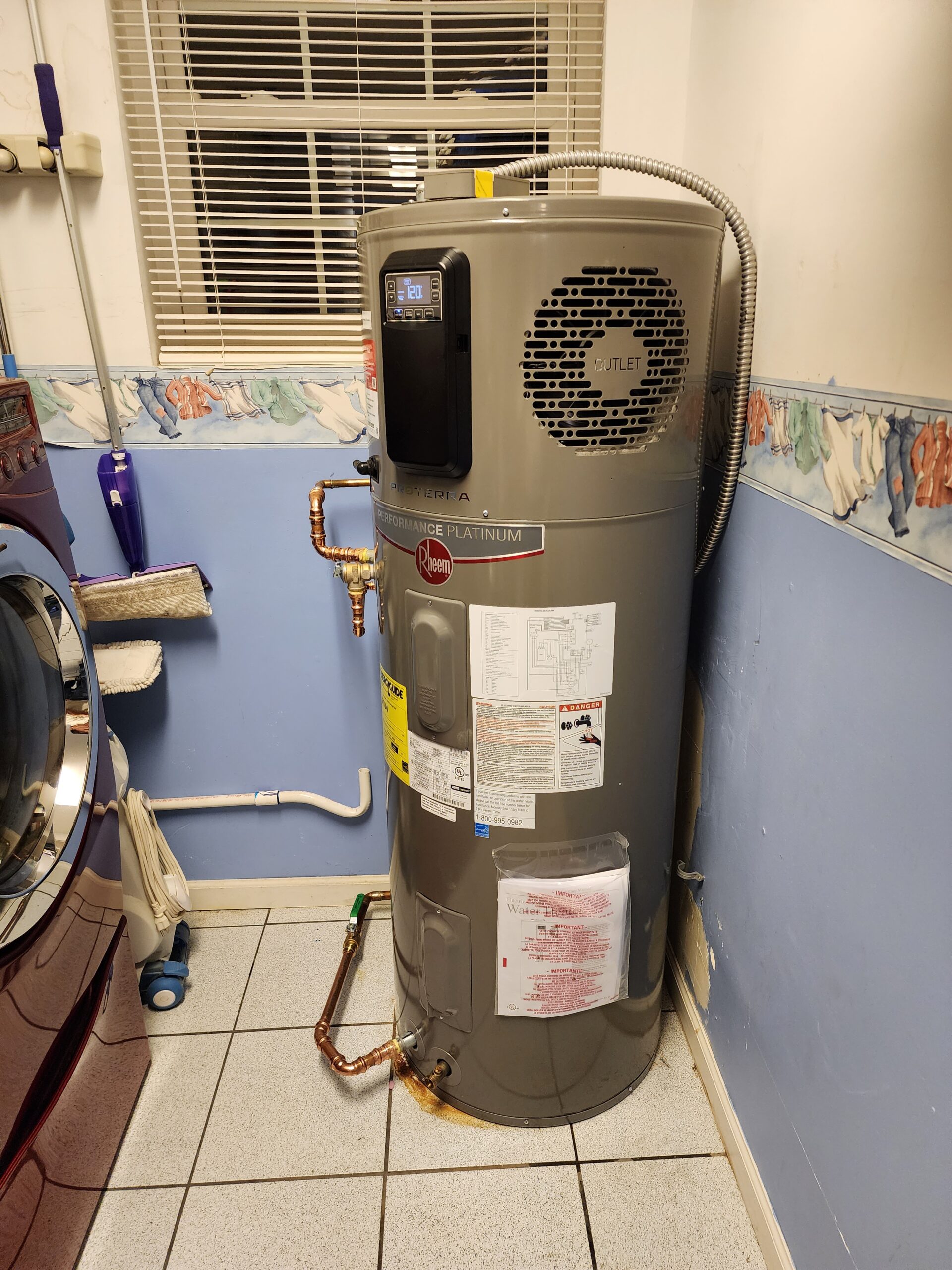
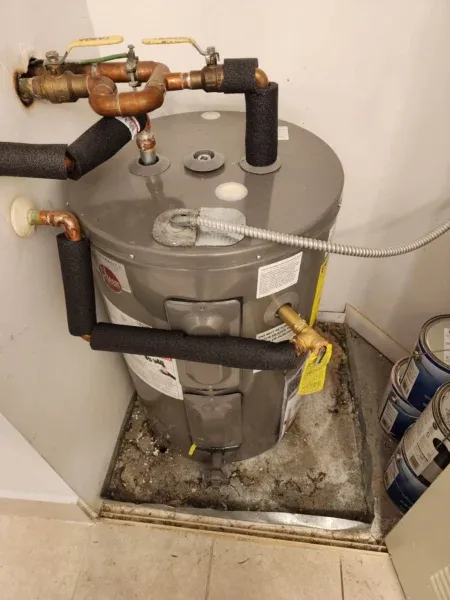
Tell the team about the heater type, available model information, location and the changes you have noticed. Loss of hot water, visible leakage or inconsistent performance can have different causes and should not be treated as the same problem.
An assessment helps distinguish an equipment problem from an issue at the supply or fixtures, and whether repair or replacement makes sense.
02 / A practical approach
Tank and tankless water heater options
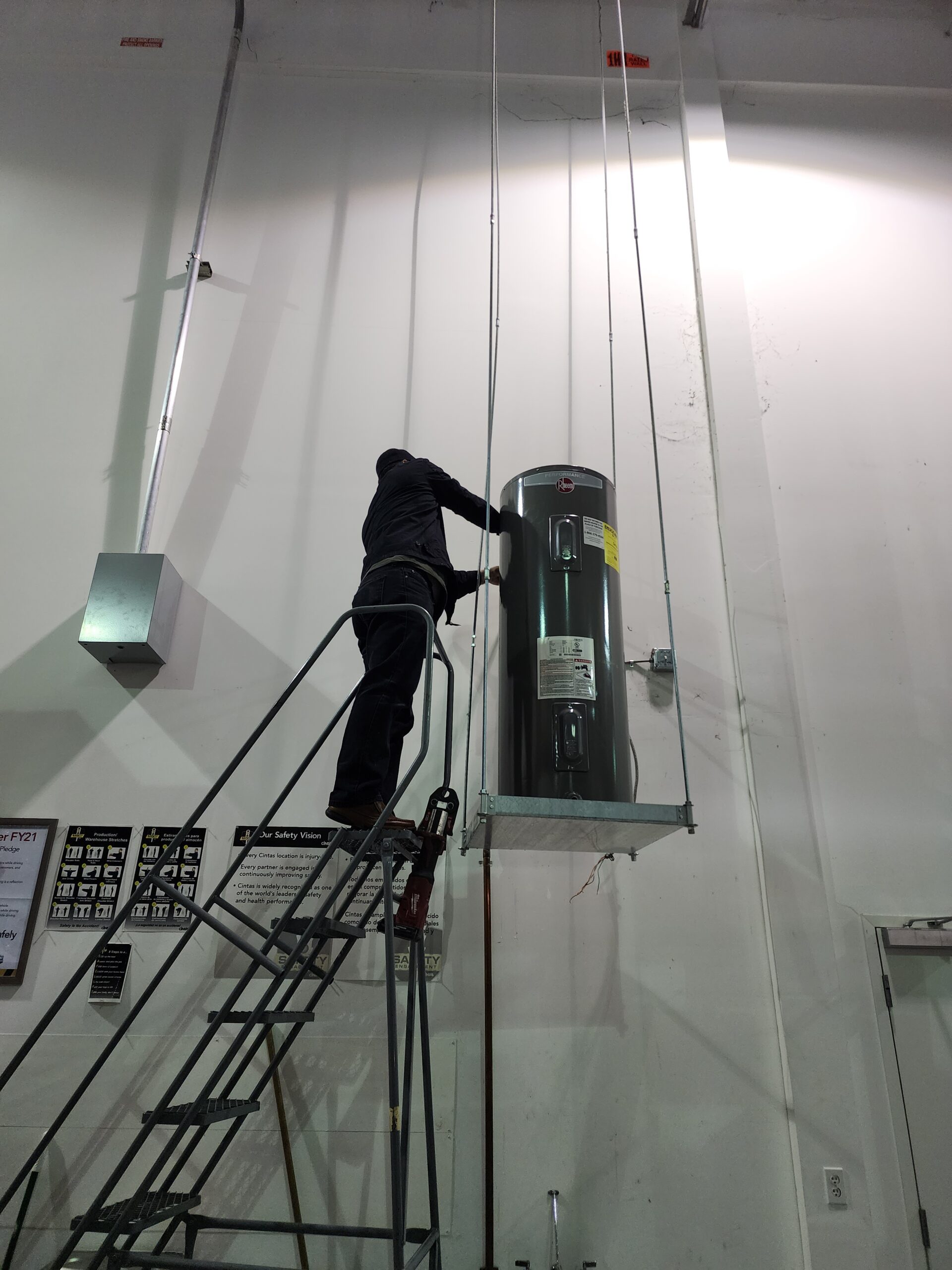
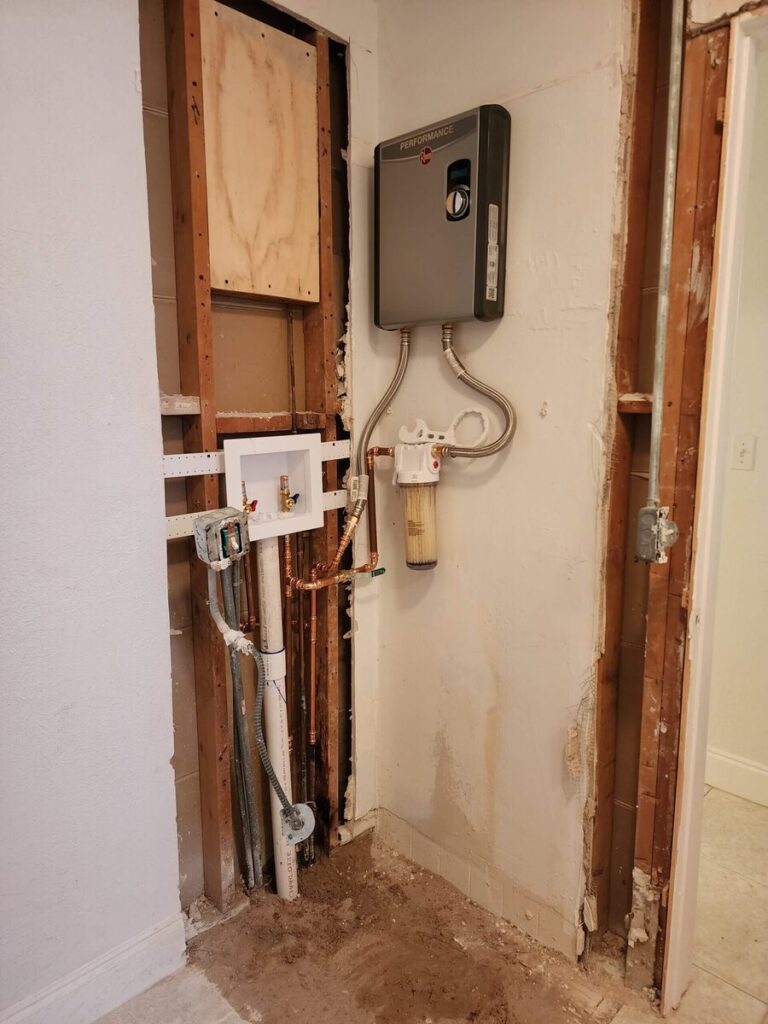
Tank heaters store hot water; tankless systems heat it as demand occurs. The right choice depends on household use, incoming utilities, installation space, access and the requirements of the equipment.
Do not assume every property is ready for a different heater type or size. Confirm requirements, compatibility and applicable permitting or inspection arrangements before committing to a proposed installation.
03 / A practical approach
Clarify what the installation includes
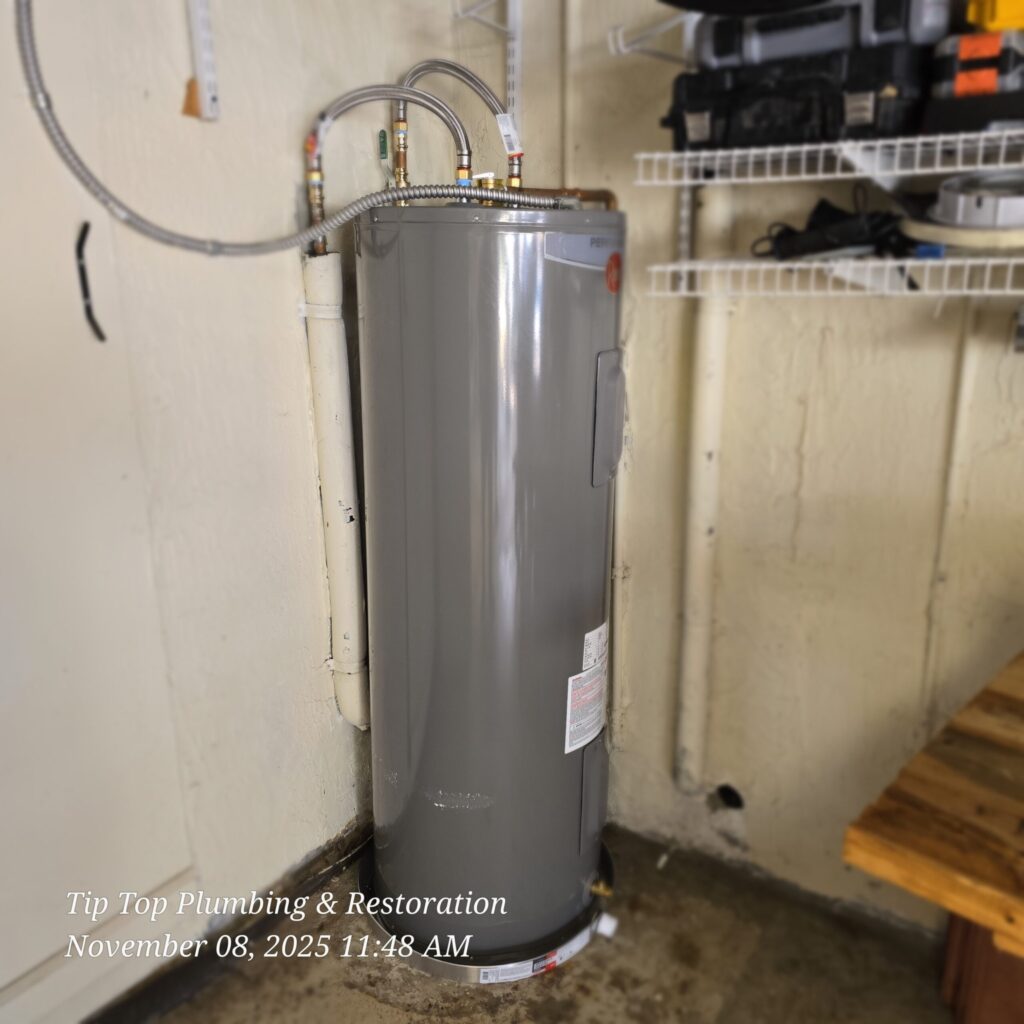
Ask about removal of the existing unit, the new connections, access requirements and responsibility for any related work. A clear proposal should identify the equipment and labor being discussed rather than leave important items implied.
We discuss equipment selection, connections and related work before installation. Ask about the manufacturer’s warranty and the terms included in your written proposal.
04 / A practical approach
Think beyond the heater when water is visible
Water near a heater should be assessed to establish the source and the condition of surrounding materials. Supply connections and nearby plumbing may also be relevant.
If water has affected finishes or other areas, discuss the plumbing issue and drying/restoration scope separately. Tip Top’s in-house drying capability does not mean every heater visit includes restoration.