01 / A practical approach
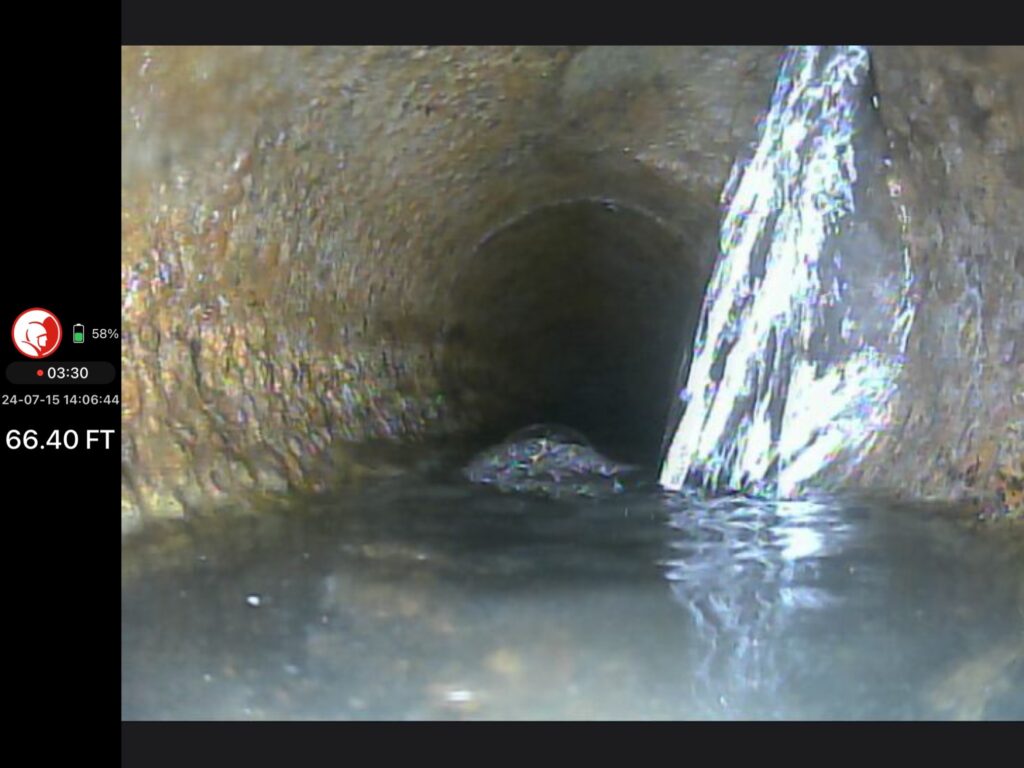
When a sewer camera inspection can help
Consider inspection when backups recur, several fixtures are affected, or a line needs further assessment before repair planning. Tell us about previous clearing attempts and known access points.
A camera is a diagnostic tool, not a promise that every section will be visible. Blockages, standing water, bends and access can limit the view.
02 / A practical approach
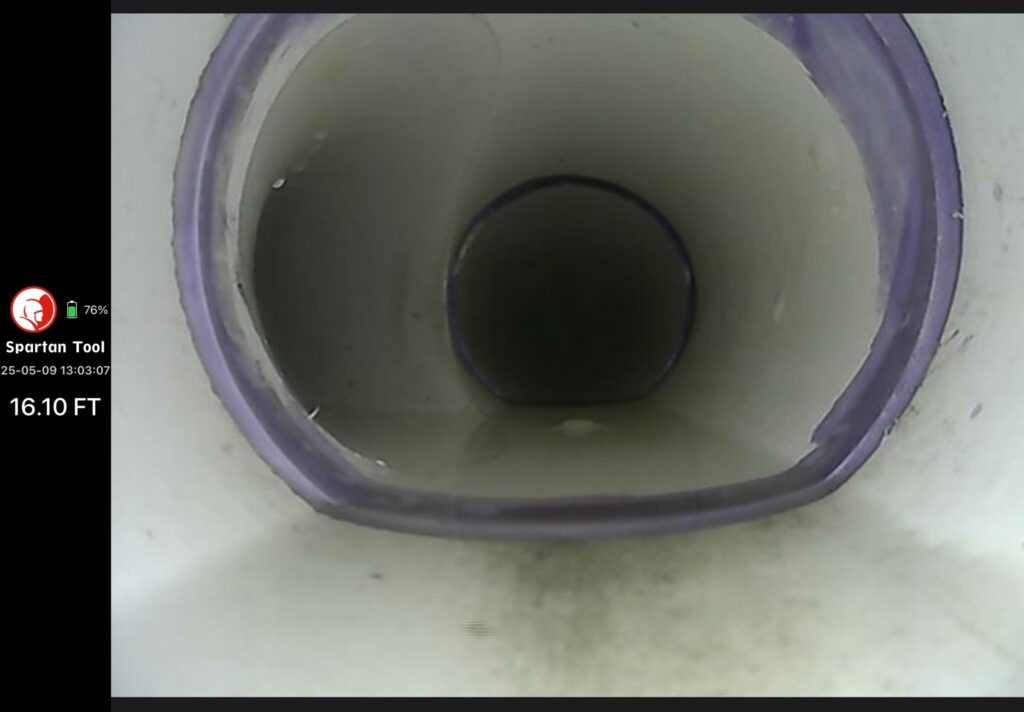
Understand the sewer camera inspection findings
We discuss the accessible areas and relevant observations, including any signs that may call for cleaning or further investigation. Ask what was seen and which parts remain uncertain.
A useful next step connects the findings with the symptoms instead of assuming that one image explains the entire drainage system.
03 / A practical approach
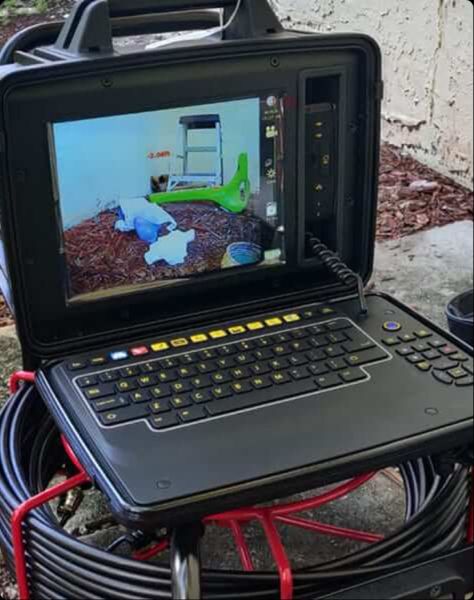
Connect inspection with the right work
Cleaning and structural repair serve different purposes. If the findings suggest a repair, discuss the affected sections, access and proposed scope before committing.
For shared systems, coordinate access and responsibility with the property manager or association.
04 / A practical approach
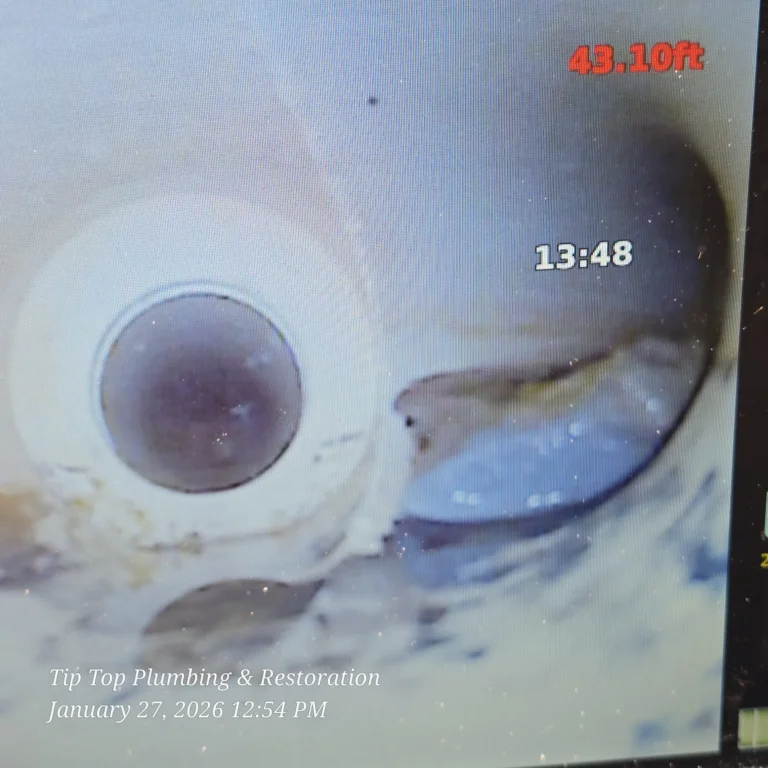
Turn inspection findings into a practical recommendation
Review the visible findings, accessible portions of the line and any inspection limitations. Camera observations can help distinguish buildup, obstructions and apparent pipe damage, but do not reveal every condition outside the pipe.
Ask which findings support cleaning, further investigation or repair, and what access or location confirmation is needed. An inspection does not mean that every drain must be replaced.